



Gas vs. Hybrid vs Electric Vehicle Service Schedules
Vehicle maintenance schedules differ between gas-powered, hybrid, and electric vehicles (EVs), which can leave San Juan Capistrano car owners confused. Typically, traditional gasoline engines need frequent oil changes and complex system upkeep, while EVs require minimal routine care. Hybrids sit somewhere in the middle with their dual-system setup. Knowing these differences helps you choose the maintenance approach that’s best for your vehicle and plan your budget better.
Understanding Service Schedules for Gas, Hybrid, and EVs
Car maintenance is evolving as technology changes how we care for vehicles. Gas cars have dominated for decades, requiring regular oil changes, new spark plugs, and transmission checks every few thousand miles. But with American EV sales totaling around 1.4 million in 2023 — a 40% increase from the previous year — according to the International Energy Agency, service departments are now adapting their skills for different vehicle types. These changes require specialized equipment and tech training. Hybrids offer a middle ground, helping you transition from traditional cars while providing better fuel efficiency.
Service Schedule Breakdown for Each Vehicle Type
Let’s compare the different service schedules recommended for each vehicle type.
Gas-Powered Vehicles
Gas engines need the most upkeep of any powertrain. The four-part cycle — intake, compression, combustion, exhaust — makes these systems complex. You should change oil and filters every 5,000 miles or six months and rotate your tires every 5,000 miles. Major services include spark plug replacement every 30,000 to 80,000 miles, transmission fluid changes at 30,000-mile intervals, cooling system checks, air filter swaps, and brake service.
Nearly 50% of vehicles are overdue for a tire rotation and 30% for an oil change, according to CARFAX data. However, well-maintained cars tend to have higher resale value and keep you safer, so remember to keep up with these routine tasks.
Hybrid Vehicles
Hybrids combine gas and electric systems, requiring dual maintenance. Standard hybrids use both gas engines and electric motors, switching between them as needed based on driving conditions and powertrain design. Plug-in hybrids feature larger rechargeable batteries but need service for both gas engines and electric drivetrains, making them costlier to maintain than EVs or standard hybrids.
EVs
EVs offer the simplest maintenance. They use electric motors powered by battery packs, giving instant torque, cheaper running costs, and zero tailpipe emissions.
EV care includes rotating tires every 7,500 miles, swapping cabin air filters every 15,000 miles, changing brake fluid every 30,000 miles, and replacing coolant after 120,000 miles. EVs cost roughly half as much to maintain over their life compared to gas cars, with many receiving automatic software updates through the internet.
Gas and EV Servicing: Key Components
Certain systems and components in each type of vehicle require more attention. This also affects the maintenance costs of EV vs. gas models.
Battery Systems
Your EV’s batteries are one of its most important parts. These batteries typically last 10 to 20 years, but replacement costs can range from $5,000 to $16,000 out of warranty. Luckily, most EVs come with battery warranties that cover at least eight years or 100,000 miles for added peace of mind.
Braking Systems
Regenerative braking in hybrids and EVs captures energy when slowing down to charge the battery. Because this system reduces brake pad wear with the electric motor doing most of the work, pads often last beyond 100,000 miles.
While EV brake pads wear down more slowly, they can rust more than gas car brakes due to less use. In comparison to hybrids and EVs, gas vehicles need brake service every 25,000-50,000 miles.
Tire Maintenance and Alignment
EVs burn through tires faster due to their increased weight and instant torque, lasting an average of 20,000 to 30,000 miles. This means EVs need special tires that can handle their extra weight and acceleration. You should also maintain proper tire pressure, since it directly affects an EV’s driving range.
Ownership Costs: Comparing Service Expenses
We’ve provided an overview of ownership costs to consider when deciding between these three vehicle types.
Upfront Costs and Long-Term Savings
According to Cox Automotive, new EVs cost $2,800 more than gas cars in September 2023, but running costs differ greatly. EV owners typically spend 60% less on fuel costs each year compared to gas-powered cars. Federal credits reach $7,500 for new EVs and $4,000 for used ones through September 2025. New or used EVs may also qualify for tax incentives depending on your state. Additionally, Atlas Public Policy found EVs cheaper in four of five categories over a 7-year ownership period.
Repair and Insurance Costs
Insurance rates for EVs are up to 20% more than gas-powered cars. Hybrids face 7% to 11% higher premiums due to higher prices and complex repair needs. On the other hand, EV maintenance runs about 40% less than gas vehicles over the car’s life.
DIY Maintenance
We recommend having your vehicle serviced by a professional, but safe DIY hybrid tasks include checking fluid levels, inspecting tires, monitoring battery health, cleaning air filters, and checking brake pads. Beware of risks such as electrocution and accidental vehicle activation. While EVs require minimal routine care, they usually need professional service due to high-voltage systems. If you want the most DIY options, gas cars are better.
Expert Maintenance Services at Capistrano Mazda
Today’s complex automotive systems make professional service vital for warranty protection and safe operation. Modern diagnostic tools include computer systems, augmented reality glasses, and smart algorithms. EVs need less routine maintenance, while gas and hybrid vehicles require complex service schedules demanding professional expertise. For expert maintenance on all vehicle types, check out Capistrano Mazda in Orange County, California. Our certified technicians have the training and tools to keep your car running smoothly for many years.
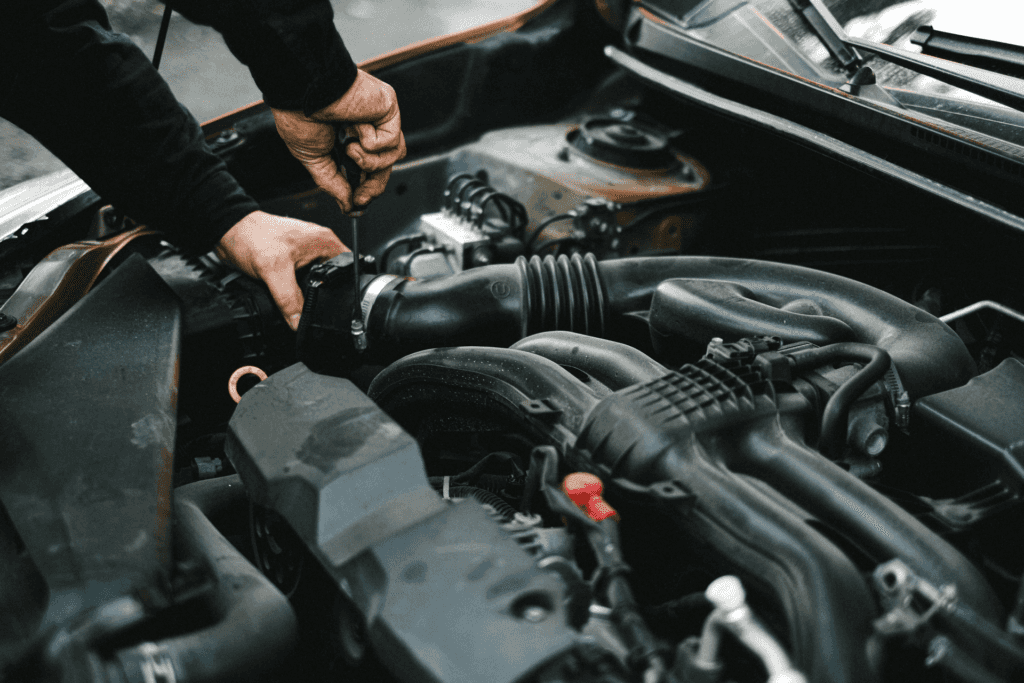
An Auto Mechanic Checking the Engine of a Car by Anna Shvets is licensed with Pexels License
0 comment(s) so far on Gas vs. Hybrid vs Electric Vehicle Service Schedules